In this “Tea’s Index,” we will explore the various herbs used in herbal teas.
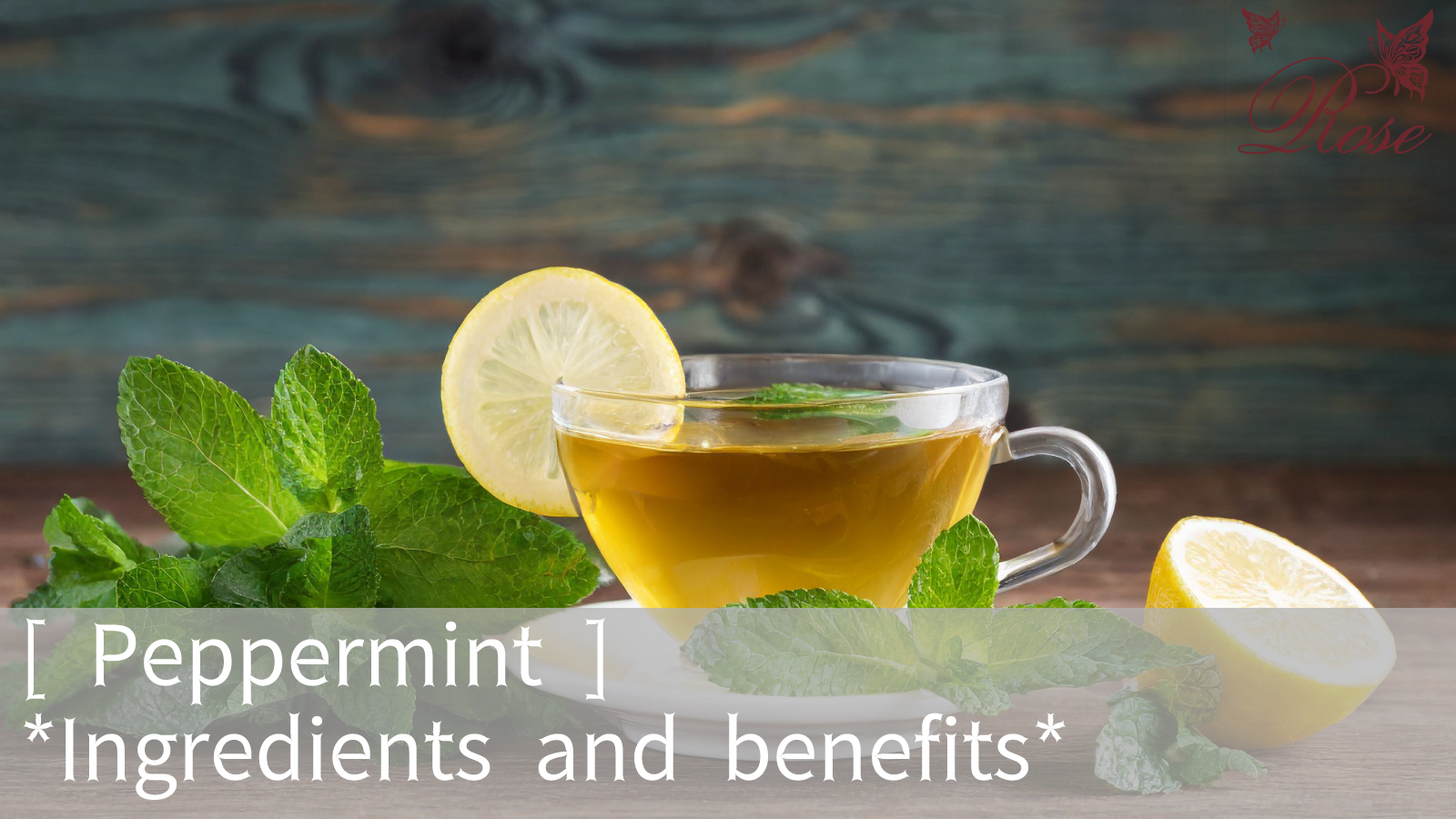
This time, we are introducing “Peppermint”
A single cup of herbal tea is filled with the blessings and healing powers of nature.
It’s not just about the aroma or flavor—each herb has its own ingredients and benefits that gently soothe both the body and mind.

【About the Author】
European Tea Culture Researcher / Pastry Chef
Seryu Kamizaki (35)
Hometown: Fukuoka City, Japan
A pastry chef turned tea researcher, I’ve always loved tea—so much so that my passion for black tea has expanded to a love for all types of tea. I primarily purchase black tea, green tea, and herbal tea from European brands, and I enjoy integrating them into my daily life. While savoring these teas, I’m constantly exploring new ways to share information with others. My goal is to reopen the café I once had to close, where people can casually enjoy the finest tea paired with supreme desserts and light meals, by 2027.
※This article uses ChatGPT provided by openAI.
Here, I have organized the information I have obtained and written it.
Japanese version : 「ペパーミント」の主成分や効能について【 About Peppermint 】
Adout Peppermint
First, a brief explanation of Peppermint.

Type
- Peppermint is a perennial herb belonging to the mint family (Lamiaceae).
- It is a hybrid of watermint and spearmint.
- The two main types of peppermint are “Black Peppermint,” known for its stronger aroma, and “White Peppermint,” which has a milder scent.
Characteristics
- Rich in menthol, peppermint has a refreshing fragrance and a cooling sensation.
Origin
- Europe and the Middle East.
About the main ingredient
Drinking Peppermint herbal tea has health benefits. The main ingredients that support these benefits are as follows:

1.Menthol
- Provides peppermint’s refreshing scent and cooling sensation.
- It aids digestion and promotes relaxation.
2.Menthone
- Works with menthol to create peppermint’s distinctive aroma and supports digestion.
3.Flavonoids
- Antioxidants that help protect the body, support the immune system, and reduce inflammation.
4.Rosmarinic Acid
- Known for its anti-allergy and anti-inflammatory properties, helping to calm the body.
5.Vitamins and Minerals
- Peppermint contains small amounts of vitamins, iron, and calcium, providing additional health benefits.
About Ingredients and benefits
The health Ingredients and benefits of Peppermint in herbal tea are as follows:

1. Eases digestion
- Peppermint tea helps soothe the stomach, especially after overeating or when experiencing indigestion.
- It also alleviates gas.
2. Promotes relaxation
- Its refreshing scent and cooling effect help calm the mind.
- Drinking peppermint tea before bed or during stressful times aids relaxation.
3. Relieves headaches
- The menthol in peppermint helps relieve headaches and muscle tension, offering a refreshing sense of relief.
4. Clears nasal passages and throat
- The aroma of peppermint tea can ease breathing by clearing blocked nasal passages and soothing a sore throat.
5. Freshens the mouth
- Peppermint is effective in combating bad breath, leaving a refreshing and clean feeling in the mouth.
6. Boosts overall health
- The antioxidants in peppermint tea help protect the body’s cells and support overall health.
7. Alleviates pain
- Peppermint tea can ease minor muscle pains and menstrual cramps by relaxing the body and reducing discomfort.
Precautions and contraindications
Peppermint herbal tea is a healthy drink.
However, there are some cases where caution is required depending on the ingredients in the herbs.
Below we explain the precautions to take when drinking Peppermint and any contraindications (cases when it is better to avoid it).

1.People with GERD or acid reflux
- Peppermint may relax stomach muscles, leading to increased acid reflux.
- Those with GERD or frequent heartburn should avoid peppermint tea, as it may worsen symptoms.
2.Interactions with medications
- Peppermint may affect the efficacy of certain medications, such as antacids, diabetes medications, and blood pressure drugs.
- Consult a doctor before consuming it.
3.Pregnant and breastfeeding women
- Overconsumption of peppermint tea during pregnancy or breastfeeding is not recommended.
- It may stimulate the uterus, particularly in early pregnancy, so large amounts should be avoided.
- Always consult a healthcare provider before use.
4.Avoid for infants
- Peppermint tea should not be given to infants, particularly those under one year, as menthol may affect their breathing.
5.Allergy Risk
- People allergic to mint or related herbs should be cautious.
- If allergic reactions are suspected, discontinue use and consult a doctor.
6.Avoid Overconsumption
- This applies to herbal teas in general; even natural products can place a burden on the body if consumed excessively over a short or extended period.
Brew Up Your Tea Knowledge – Join Our Newsletter!
Don’t miss out on the finest tea recommendations, health insights, and seasonal blends. Our newsletter brings you a curated collection of tea content, perfect for enthusiasts and casual sippers alike.
Curious about more herbs? Check these out!
We’ve covered a variety of other herbs as well!
Below are four of our latest picks, but you can find the complete list in the “Index” menu. Feel free to explore!


共有:


